
Creating an eco-friendly interior design for your home isn’t just a trend—it’s a meaningful commitment to environmental sustainability and healthier living. Whether you’re building a new space or renovating an existing one, adopting sustainable home design practices can reduce your carbon footprint while creating a beautiful, functional living environment. This comprehensive guide explores practical eco-friendly interior design ideas that help you build a sustainable home without compromising on style or comfort.
Why Eco-Friendly Interior Design Matters
The average person spends about 90% of their time indoors, making the quality and environmental impact of our indoor spaces crucial. Sustainable home design goes beyond aesthetics—it addresses resource consumption, material sourcing, and long-term environmental health. By choosing eco-friendly materials and design practices, you’re not only reducing waste and pollution but also creating a healthier living space for your family.
Green interior design contributes to energy efficiency, improved air quality, and reduced water consumption. These benefits extend to lower utility bills, reduced maintenance costs, and increased property value. Modern eco-friendly interior design proves that sustainable living and contemporary aesthetics can coexist beautifully.
Why Eco-Friendly Interior Design Matters
Reclaimed and Recycled Materials
One of the cornerstones of sustainable home design is using reclaimed and recycled materials. Reclaimed wood from old buildings, barns, and warehouses provides authentic character while diverting waste from landfills. These materials carry history and patina that new materials cannot replicate. Recycled metal, glass, and stone are equally valuable for creating unique accent pieces and structural elements in your eco-friendly interior design.
Sustainable Hardwoods and Bamboo
When selecting wood flooring or furniture for your sustainable home, choose materials certified by the Forest Stewardship Council (FSC). These woods come from responsibly managed forests. Bamboo is an exceptional eco-friendly material—it’s fast-growing, renewable, and incredibly durable. Bamboo flooring, furniture, and accessories are affordable alternatives to traditional hardwoods without sacrificing quality.
Natural and Non-Toxic Flooring Options
Replace conventional vinyl and plastic flooring with natural alternatives. Cork flooring, made from tree bark that regenerates, offers warmth and sustainability. Natural linoleum (linseed oil-based, not PVC) is biodegradable and durable. Polished concrete with eco-friendly sealants provides an industrial aesthetic while reducing construction waste. These options support your eco-friendly interior design while improving indoor air quality by eliminating off-gassing from synthetic materials.
Energy-Efficient Lighting and Sustainable Home Design
Lighting represents a significant portion of household energy consumption. Transitioning to LED lighting is fundamental to any eco-friendly interior design strategy. LED bulbs use 75% less energy than incandescent bulbs and last 25 times longer. Beyond the bulbs themselves, maximize natural lighting through strategic window placement, skylights, and light shelves. This reduces daytime electricity needs and creates a connection to the natural world.
Consider smart lighting systems that adjust brightness based on occupancy and ambient light levels. Layered lighting design—combining ambient, task, and accent lighting—allows you to use only the light you need. This approach maintains functionality while supporting your sustainable home goals.
Water-Conscious Design in Eco-Friendly Homes
Water conservation is essential in sustainable home design. Low-flow faucets and showerheads reduce water consumption by 25-60% without sacrificing pressure. Dual-flush toilets and greywater systems provide significant savings. Consider incorporating a water harvesting system for plant watering, which is an innovative approach to sustainable living.
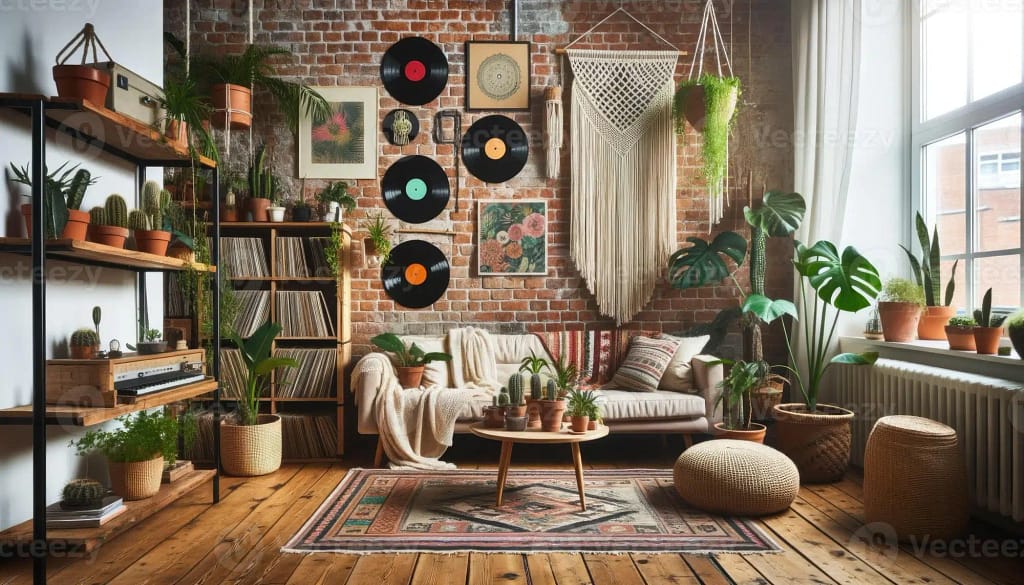
In your eco-friendly interior design, choose drought-resistant indoor plants that require minimal water. These plants also improve air quality naturally, eliminating the need for chemical air fresheners. Plants like snake plants, pothos, and spider plants thrive indoors with minimal maintenance.
Why Eco-Friendly Interior Design Matters
Furniture and Décor for Sustainable Home Living
Secondhand and Upcycled Furniture
Choosing secondhand furniture is one of the easiest ways to practice eco-friendly interior design. Vintage and antique pieces reduce manufacturing demand and waste. Upcycling—transforming old furniture into new designs—combines creativity with sustainability. A fresh coat of non-toxic paint or reupholstering with eco-friendly fabric gives old pieces new life, making them centerpieces of your sustainable home.
Low-VOC Paint and Finishes
Traditional paints release volatile organic compounds (VOCs) that harm air quality. Low-VOC or zero-VOC paints are essential for eco-friendly interior design. These paints deliver rich colors without the toxic fumes, crucial for creating a healthy sustainable home environment. Natural paints made from plant oils and minerals are also available for ultimate environmental responsibility.
Natural Textiles and Fabrics
Swap synthetic fabrics for natural alternatives in your sustainable home. Organic cotton, linen, hemp, and wool are biodegradable and produced with fewer chemicals. Look for certifications like Global Organic Textile Standard (GOTS) to ensure authenticity. These materials bring warmth and texture to eco-friendly interior design while being infinitely more sustainable than polyester and acrylic.
Smart Home Technology for Energy Efficiency
Modern technology supports eco-friendly interior design effectively. Smart thermostats learn your preferences and optimize heating and cooling schedules, reducing energy waste. Smart power strips eliminate phantom power drain from devices in standby mode. These technologies integrate seamlessly into contemporary sustainable home design while delivering measurable energy savings.
Indoor Air Quality and Sustainable Home Health
Eco-friendly interior design prioritizes health through improved air quality. Install mechanical ventilation systems that exchange stale indoor air with fresh outdoor air. HEPA filtration systems remove allergens and pollutants. As mentioned earlier, indoor plants are natural air purifiers. Combined with non-toxic materials and low-VOC products, these elements create a healthy sustainable home environment.
Designing Functional Spaces with Minimal Waste
Sustainable home design emphasizes quality over quantity. Choose multipurpose furniture that serves several functions, reducing the need for excessive pieces. Built-in storage solutions minimize clutter and maximize space efficiency. This minimalist approach to eco-friendly interior design not only supports sustainability but also creates calm, organized living spaces.
Frequently Asked Questions About Eco-Friendly Interior Design
A: Initially, some eco-friendly materials cost more, but the long-term savings are substantial. Energy-efficient systems reduce utility bills by 20-30% annually. Durable sustainable materials require less replacement and maintenance. Secondhand and upcycled furniture offer significant savings. Over 10-15 years, a sustainable home design typically costs less than traditional designs while providing superior environmental benefits.
A: Look for certifications including FSC (Forest Stewardship Council), GOTS (Global Organic Textile Standard), Cradle-to-Cradle, and GREENGUARD. Specialty retailers focusing on sustainable home products offer pre-vetted options. Government environmental agencies maintain databases of certified suppliers. Consulting with green interior designers ensures access to verified sustainable materials that meet your specific needs.
A: Absolutely! Prioritize high-impact changes: upgrade to LED lighting, switch to low-VOC paint, replace old thermostats with smart models, and add indoor plants. These changes are affordable and yield immediate benefits. Focus renovation efforts on heavily-used areas first. Shopping for reclaimed materials and secondhand furniture stretches budgets while supporting sustainability. Gradual implementation makes eco-friendly interior design accessible to any budget.
A: These terms are often used interchangeably, but have subtle differences. Eco-friendly focuses on minimal environmental impact. Sustainable design considers the entire lifecycle—from production through disposal—ensuring long-term viability. Sustainable home design encompasses economic feasibility and social responsibility alongside environmental concerns. True sustainable homes balance all three aspects, while eco-friendly designs prioritize environmental factors.
A: Indoor plants naturally purify air by absorbing carbon dioxide and releasing oxygen. They remove toxins like formaldehyde, benzene, and xylene from indoor environments. Plants increase humidity naturally, reducing the need for artificial humidifiers. Beyond environmental benefits, they enhance mental health, reduce stress, and improve sleep quality. For sustainable living, choose low-maintenance varieties that thrive indoors with minimal water and care.
A: Replacing conventional HVAC systems and improving insulation delivers the greatest environmental impact. These systems account for 40-50% of household energy use. Upgrading to Energy Star-certified HVAC systems with proper insulation reduces this by 20-30%. However, if budget is limited, LED lighting upgrades offer immediate 75% energy savings with minimal investment, making them the most cost-effective starting point for eco-friendly interior design.
A: Sustainable home design works with any aesthetic. Minimalist, Scandinavian, industrial, and rustic styles naturally align with eco-friendly principles. However, maximalist and bohemian designs can also be sustainable through thoughtful material choices and secondhand sourcing. The key is prioritizing sustainable materials and ethical production over following trends. Your eco-friendly interior design should reflect your personal style while maintaining environmental responsibility.